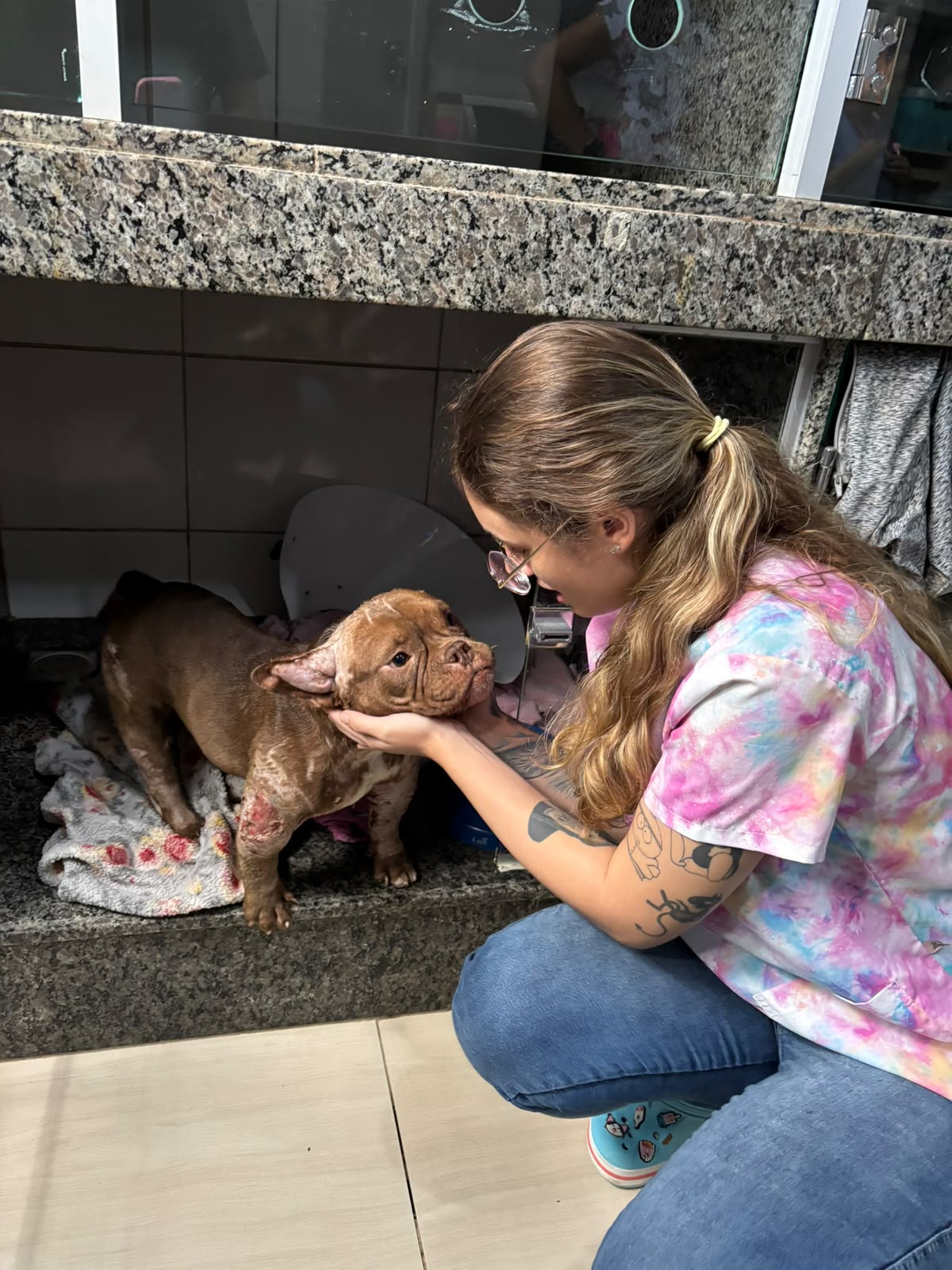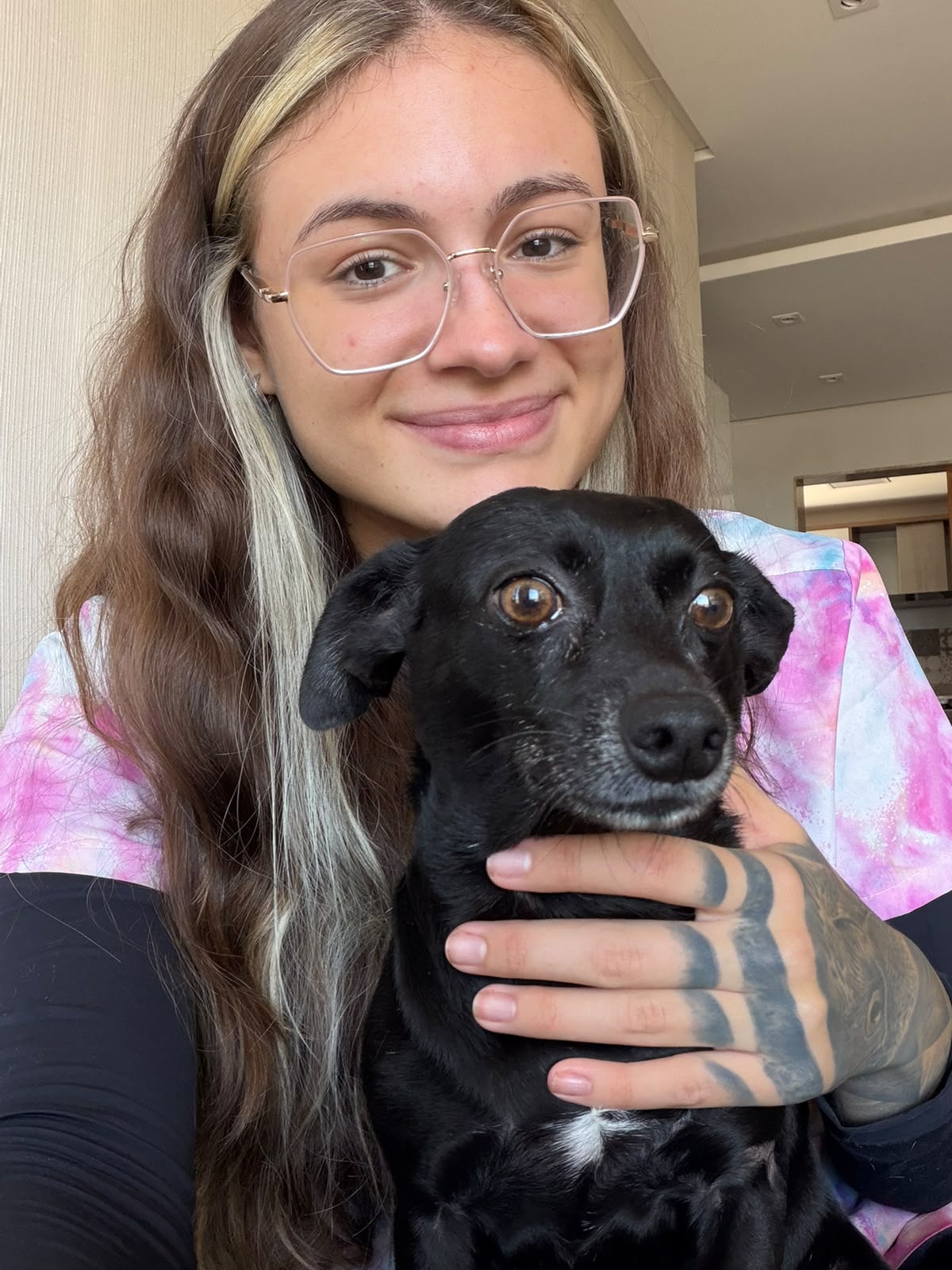
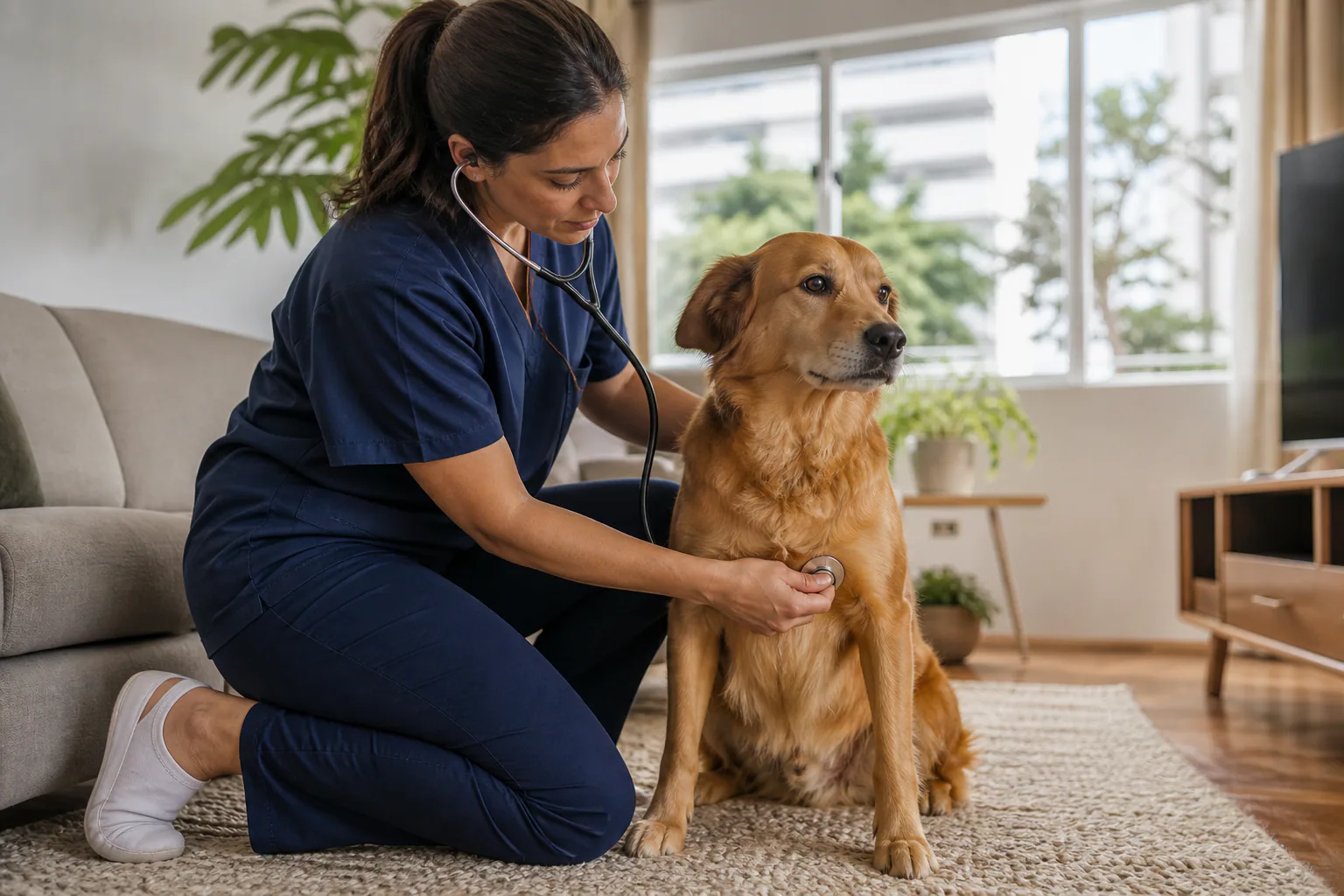
In home veterinary care, the veterinarian visits the place where the animal lives. This can avoid travel and helps observe aspects of the setting and routine that may support the assessment.
The first contact
When you send a message, include your location, the species, approximate age and reason for contact. Explain when the signs began and whether anything recently changed. This helps check availability and organise the visit.
WhatsApp contact does not replace a veterinary examination and cannot confirm a diagnosis remotely.
Preparing the setting
Choose a well-lit, calm and safe space. Dogs should be supervised by an adult. Cats should stay in an accessible room without escape routes. For horses, make a safe area available for approach and assessment.
Keep vaccination records, test results, prescriptions and current medication packages nearby.
After the assessment
The next steps depend on what is identified during the consultation. The veterinarian explains the appropriate guidance and may recommend tests, follow-up or referral when needed.
Dr Samira sees dogs, cats and horses in Pipa, Tibau do Sul, Sibauma, Barra do Cunhau and Goianinha by appointment.